Foreign exchange control — Guide 2026
Compare foreign exchange control: key costs, practical trade-offs, risk checks, and current sources for people moving money between currencies or
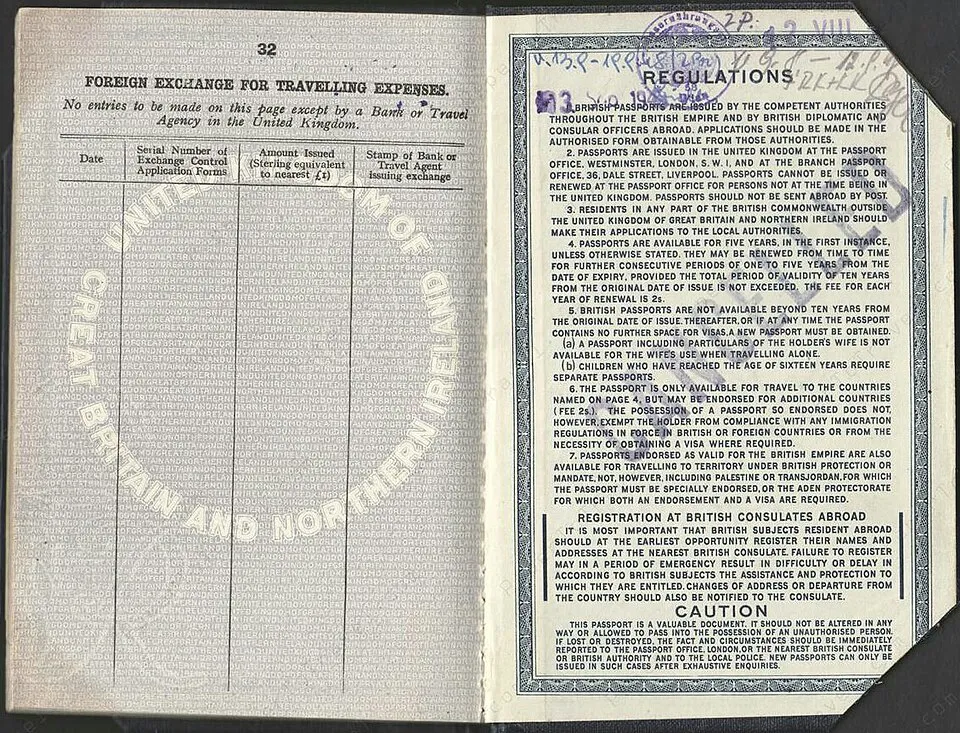
Researching foreign exchange control starts with defining the exact outcome you need and the constraints you cannot ignore. As a money transfer or exchange service, it should be evaluated in the context of people moving money between currencies or countries, not as a one-size-fits-all recommendation.
How to frame foreign exchange control
A meaningful comparison should cover exchange-rate markup, transfer fee, delivery time, receiving method, limits, and destination coverage. Check at least two or three realistic alternatives using the same assumptions so that a low headline price is not hiding a more expensive overall outcome.
Costs and criteria to compare
The main risks to review are hidden FX spreads, intermediary-bank charges, delays, incorrect recipient details, and refund restrictions. Their importance changes by provider and personal circumstances, so read the complete terms and do not rely on an old screenshot, cached quote, or promotional summary.
Risks and verification checks
For current verification, inspect the final recipient amount, live quoted rate, transfer tracking, cancellation rules, and regulated entity details. Keep a dated record of the quote or terms you relied on, especially when rates, limits, or availability can change after this page was published.
Questions worth asking before you choose
Before choosing, ask what happens when you need support, cancel, dispute a transaction, move your data or money, or use the service outside the most common scenario. Clear answers to these edge cases often distinguish a durable option from a short-term promotion.
Practical next steps
A practical next step is to shortlist the options that meet your non-negotiable criteria, calculate the complete cost, and test the smallest reversible action first. Recheck the decision whenever fees, rules, or your financial situation changes.
Current sources and perspectives
Use these source summaries as a starting point and verify fees, rates, and eligibility directly with each provider before making a financial decision.
Foreign exchange controls - Wikipedia
Common foreign exchange controls include: banning the use of foreign currency within the country; banning locals from possessing foreign currency; restricting currency exchange to government-approved exchangers; fixed exchange rates restricting the amount of currency that may be
Exchange Controls: Definition, Purpose, and Corporate Strategies
Exchange controls are government restrictions on the purchase and sale of currencies, aiming to stabilize economies. Learn what they are, their purpose, and how companies navigate them.
Exchange Control - Overview, How It Works, Objectives
Exchange control is a government policy that restricts or regulates foreign currency transactions to manage the balance of payments and the exchange rate. Learn about the factors, objectives, and consequences of exchange control, and see some examples of countries that have used
Exchange control | Currency Regulations, Foreign Investment & Trade ...
exchange control, governmental restrictions on private transactions in foreign exchange (foreign money or claims on foreign money). The chief function of most systems of exchange control is to prevent or redress an adverse balance of payments by limiting foreign-exchange
Exchange Control - What Is It, Objectives, Methods, Regulation
Part of our Foreign Exchange guide · 31 articles → What Is Exchange Control? Exchange control is a governmental restriction on private transactions in foreign exchange. These systems serve as a primary means of preventing or redressing an unfavorable payment residue by
Foreign Exchange Control - an overview | ScienceDirect Topics
Foreign exchange controls refer to government regulations that restrict or regulate the buying and selling of foreign currencies, often implemented to manage economic stability and protect national interests. These controls can include measures such as limiting currency exchange
Related Topics
- foreign exchange dallas
- travel money exchange compare
- currency exchange online best deal
- send money abroad best app
- euro exchange rate dollar
What should I compare when researching foreign exchange control?
Compare exchange-rate markup, transfer fee, delivery time, receiving method, limits, and destination coverage. Use the same assumptions for every option so the total cost and practical limitations remain visible.
What risks should I check before using foreign exchange control?
Review hidden FX spreads, intermediary-bank charges, delays, incorrect recipient details, and refund restrictions. The exact exposure depends on your provider, location, financial position, and how the product or service is used.
How can I verify information about foreign exchange control?
Confirm the final recipient amount, live quoted rate, transfer tracking, cancellation rules, and regulated entity details. Use current primary-source documents for the final decision because rates, availability, and terms can change.